
Why Some People Experience Repeated Life Challenges
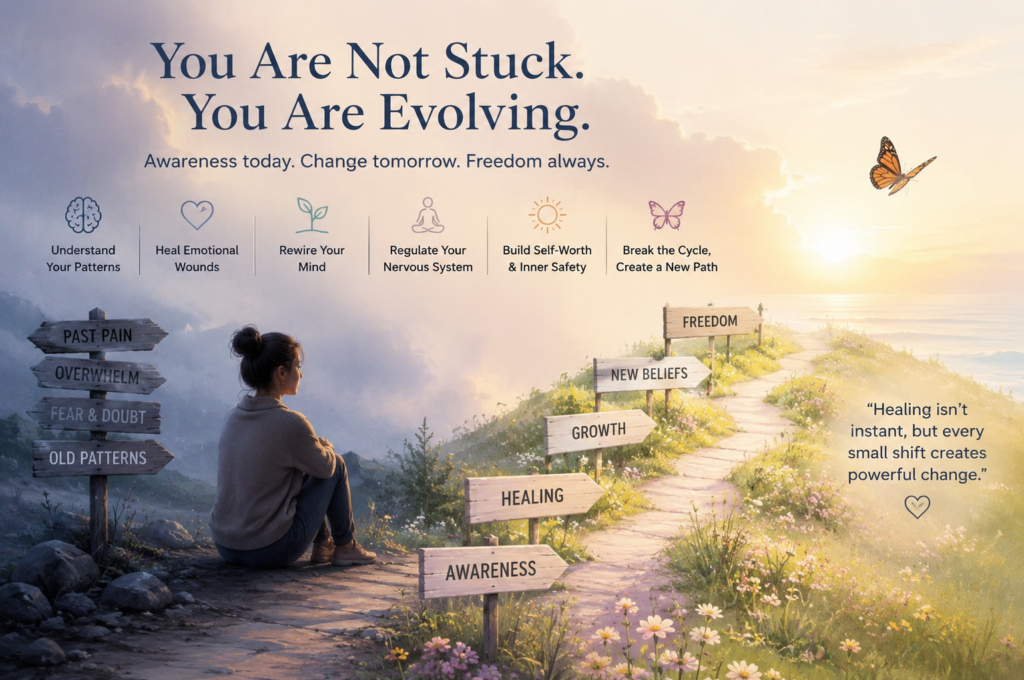
Understanding the Pattern of Repeated Life Struggle
There are people who seem to move through life with relatively smooth roads, and then there are others who feel like every chapter brings another storm. One problem ends, another begins. Financial instability turns into relationship stress. Emotional burnout becomes physical exhaustion. Family pressure mixes with anxiety about the future. After a while, it stops feeling like coincidence and starts feeling like life itself is targeting them. This repeated cycle of life challenges is one of the most searched emotional topics online today because many people are silently trying to understand why their life feels heavier than everyone else’s.
Modern search trends reveal that phrases like “burnout from life,” “feel overwhelmed,” and “why am I always struggling” are increasing sharply in popularity. People are no longer just looking for productivity hacks or motivational quotes. They are searching for emotional explanations. That shift matters because it reflects a deeper realization: repeated life struggle is not always caused by laziness, bad luck, or weakness. Sometimes the roots go far deeper into emotional conditioning, unresolved trauma, nervous system overload, and learned behavioral patterns.
Think about a tree with damaged roots. No matter how beautiful the leaves appear from the outside, the tree struggles to grow properly because the problem exists beneath the surface. Human beings function in a similar way. Repeated setbacks often originate from invisible emotional systems that quietly influence decisions, reactions, relationships, and self-worth. People repeat patterns because the brain prioritizes familiarity over happiness. Even painful situations can feel psychologically “safe” when they resemble old emotional environments.
The difficult part is that repeated challenges slowly reshape identity. Someone who faces constant rejection may start believing they are unworthy. Someone stuck in financial struggle may begin thinking success is meant for other people. Over time, external problems become internal beliefs. That is when life challenges stop being temporary obstacles and become a personal narrative.
Why Challenges Often Feel Never-Ending
One reason repeated hardships feel endless is because stress compounds over time. A single problem rarely stays isolated. Financial pressure can damage sleep. Poor sleep affects emotional regulation. Emotional instability harms relationships. Relationship stress reduces confidence and productivity. Suddenly one issue spreads into multiple areas of life like cracks in a windshield after impact.
Recent wellness reports show that emotional flooding and chronic stress are becoming defining issues of modern life. Searches related to emotional exhaustion, burnout, and nervous system dysregulation have reached record highs. This suggests that many people are operating in survival mode for long periods without realizing it. When the nervous system remains in a constant state of alertness, even small obstacles feel enormous. The brain stops distinguishing between inconvenience and danger.
There is also the psychological phenomenon of confirmation bias. Once someone believes life is always difficult, the brain begins filtering experiences through that expectation. Positive moments get ignored while negative experiences become emotionally magnified. It is similar to wearing tinted glasses. Eventually, the person no longer sees reality objectively because the mind automatically searches for evidence that supports the belief that life is unfair or hopeless.
Social comparison makes the problem worse. Social media constantly exposes people to curated success stories, luxury lifestyles, relationships, and achievements. While someone is privately fighting emotional exhaustion, they may believe everyone else is progressing effortlessly. That comparison creates shame, and shame often deepens emotional paralysis. The person feels left behind, which further damages motivation and self-esteem.
Repeated struggle also creates fear-based decision making. Instead of choosing opportunities from confidence, people begin choosing from survival instincts. They avoid risks, stay in unhealthy environments, and cling to familiarity because uncertainty feels threatening. Ironically, this protective behavior often keeps them trapped in the exact cycles they want to escape.
The Psychology Behind Recurring Life Challenges
Psychology plays a massive role in repeated life challenges because the human brain is designed around patterns. The mind continuously builds behavioral shortcuts based on past experiences. If someone grows up around instability, criticism, emotional neglect, or fear, those emotional conditions become normalized. Later in life, they may unconsciously recreate those same dynamics because the nervous system associates them with familiarity.
Childhood experiences are particularly influential because they shape emotional programming before logical thinking fully develops. A child who constantly hears criticism may become an adult who expects rejection everywhere. Someone raised in financial insecurity may develop deep anxiety around money even after becoming financially stable. These internal programs quietly influence behavior for years.
Psychologists often explain this through attachment theory and trauma conditioning. Early emotional environments teach people what love, safety, conflict, and self-worth look like. If those environments were unhealthy, adult relationships and life decisions often reflect similar emotional patterns. This is why some individuals repeatedly attract toxic relationships, unstable work environments, or emotionally draining friendships. The cycle feels strangely familiar to the subconscious mind.
A 2026 wellness trend analysis highlighted rising public interest in concepts like “emotional fitness,” “nervous system healing,” and “trauma stored in the body.” These searches show that more people are beginning to understand that emotional wounds are not simply mental memories. They affect the body, hormones, stress responses, and everyday behavior. Trauma is not only about dramatic events. It can also develop from years of emotional invalidation, instability, or constant pressure.
Trauma Responses That Shape Adult Decisions
The nervous system reacts to stress through survival responses commonly known as fight, flight, freeze, and fawn. These reactions are useful during real danger, but many people remain trapped in these states long after the threat disappears.
| Trauma Response | Common Behavior in Adult Life | Long-Term Effect |
|---|---|---|
| Fight | Anger, defensiveness, control issues | Relationship conflict |
| Flight | Overworking, avoidance, perfectionism | Burnout and anxiety |
| Freeze | Procrastination, emotional numbness | Lack of progress |
| Fawn | People-pleasing, weak boundaries | Emotional exhaustion |
Someone stuck in “flight mode” may constantly chase productivity while secretly feeling empty and exhausted. Another person trapped in “freeze mode” may struggle to take action even when opportunities appear. These patterns are often misunderstood as personality flaws when they are actually nervous system adaptations developed during stress.
The Role of Mental Burnout and Emotional Flooding
Modern life is creating unprecedented levels of emotional overload. Information never stops. Notifications never stop. Expectations never stop. People are expected to perform professionally, maintain relationships, stay healthy, remain emotionally balanced, and constantly improve themselves all at once. It is like trying to carry ten heavy bags while running uphill.
Google Trends reports show record increases in searches for “feel stressed,” “burnout at work,” and “emotional flooding.” Emotional flooding happens when the brain becomes overwhelmed by intense emotions and loses the ability to process clearly. During these moments, small problems feel catastrophic because the nervous system enters overload mode.
One of the major biological factors behind repeated life struggle is cortisol, the body’s primary stress hormone. Chronic stress keeps cortisol elevated for long periods, which affects sleep, concentration, emotional regulation, digestion, and immune function. When the body remains trapped in survival chemistry, everyday tasks become mentally exhausting.
Experts increasingly emphasize the importance of emotional regulation rather than emotional suppression. According to clinical psychiatrist Dr. Hannah Nearney, emotional fitness involves recognizing stress signals early before they escalate into burnout. That distinction matters because many people ignore stress until their body forces them to stop through exhaustion, anxiety attacks, or emotional breakdowns.
The tragedy is that many individuals blame themselves for burnout. They think they are weak or incapable, when in reality their nervous system has simply been overloaded for too long. A phone battery eventually dies if too many applications run simultaneously. Human beings operate similarly. Continuous emotional pressure without recovery eventually drains mental energy completely.
Financial Struggles and Repeating Failure Patterns
Money problems are among the most emotionally painful recurring challenges because they affect survival, confidence, and identity simultaneously. Financial stress changes how people think. It narrows focus toward immediate survival and reduces long-term strategic thinking. Someone struggling financially often feels trapped in a mental tunnel where every decision revolves around avoiding disaster.
Scarcity mindset is a major factor in repeated financial struggle. When people grow up around financial instability, they may subconsciously associate money with fear, guilt, conflict, or insecurity. This emotional relationship with money influences adult decisions more than most people realize. Some avoid opportunities because success feels unfamiliar. Others overspend impulsively because temporary pleasure provides emotional relief from chronic stress.
Fear-based decision making also reinforces financial instability. People stay in low-paying jobs because uncertainty feels dangerous. They avoid investing in education or skills because failure seems terrifying. Ironically, the attempt to stay “safe” often keeps them stuck. It is similar to remaining on a sinking boat because the water outside looks frightening.
The internet is currently flooded with searches related to burnout recovery, emotional healing, soft living, and nervous system regulation. These trends reflect a broader cultural shift away from constant hustle culture. People are beginning to realize that chronic stress damages decision-making quality. A calm nervous system makes clearer financial choices than an exhausted one.
Repeated financial life challenges are rarely only about money. They are often connected to self-worth, emotional conditioning, fear of failure, and inherited beliefs about success. Until those internal beliefs change, external circumstances often repeat themselves in different forms.
Relationship Cycles and Emotional Attachment
One of the most painful forms of repeated life struggle happens inside relationships. Some people repeatedly attract emotionally unavailable partners. Others constantly experience betrayal, abandonment, manipulation, or emotional imbalance. After several painful experiences, they begin asking the same question: “Why does this keep happening to me?”
The answer is complicated because attraction is deeply connected to emotional familiarity. Human beings are often drawn toward relationship dynamics that mirror unresolved emotional experiences from earlier life stages. Someone raised around inconsistency may confuse unpredictability with passion. A person who experienced emotional neglect may overwork for love and validation.
This does not mean people consciously choose pain. The subconscious mind simply prioritizes familiar emotional environments, even unhealthy ones. That is why toxic relationship cycles can feel addictive. The emotional highs and lows stimulate stress hormones and attachment chemicals simultaneously, creating intense emotional dependency.
Another factor is emotional validation. Many people tie their worth to external approval. They fear rejection so deeply that they tolerate disrespect, poor boundaries, or emotional imbalance. Over time, this creates recurring patterns of emotional exhaustion and disappointment.
Recent wellness discussions increasingly focus on emotional alignment, inner peace, grounding practices, and nervous system healing. These trends reveal a growing recognition that healthy relationships start with emotional stability inside the individual. A regulated nervous system is less attracted to chaos because calmness no longer feels boring or unfamiliar.
Healthy attachment requires self-awareness. People must identify the emotional patterns they repeatedly tolerate, chase, or recreate. Otherwise, life challenges continue appearing through different faces, different situations, and different relationships while carrying the same emotional lesson underneath.
Spiritual Perspectives on Life Challenges
Beyond psychology, many people explore spiritual explanations for repeated life challenges. Searches for spiritual healing, energy healing, chakra balancing, and emotional alignment are increasing rapidly in 2026. This reflects a growing desire to understand suffering from a deeper perspective.
Some spiritual traditions describe repeated struggles as karmic lessons or opportunities for soul growth. The idea is not punishment but evolution. Certain challenges continue appearing until the individual learns specific emotional lessons such as self-worth, forgiveness, patience, boundaries, or resilience.
Whether someone interprets this spiritually or psychologically, the underlying principle is surprisingly similar: unresolved patterns tend to repeat themselves. Life keeps presenting similar situations because the internal response remains unchanged.
Spiritual healing practices often focus on reconnecting the mind and body. Breathwork, meditation, grounding exercises, journaling, and energy-focused practices are becoming mainstream because people are exhausted by constant overstimulation. Modern society rewards external productivity but often neglects internal balance.
There is also increasing scientific interest in how trauma affects the nervous system physically. Reports discussing “the body keeps the score” concept highlight how emotional pain can remain stored in the body long after stressful experiences end. This overlap between neuroscience and spirituality is one reason holistic healing practices are gaining attention.
People are beginning to understand that healing is not only about changing circumstances. It is also about changing emotional patterns, thought loops, and nervous system responses. Sometimes the biggest transformation happens internally long before external life improves.
Breaking the Cycle of Repeated Life Struggle
Breaking repeated life challenges requires more than motivation. Motivation fades quickly under stress. Sustainable change usually comes from emotional awareness, nervous system regulation, and consistent daily habits.
One major concept trending in wellness conversations is emotional fitness. Emotional fitness means building the ability to process stress without becoming emotionally overwhelmed. Just as physical exercise strengthens muscles, emotional practices strengthen resilience.
That process begins with self-observation. People must recognize their recurring emotional patterns honestly. What situations repeatedly trigger fear, avoidance, anger, or emotional collapse? Which beliefs keep appearing during difficult moments? Awareness is uncomfortable because it removes the illusion that external circumstances are entirely responsible.
Daily habits also matter enormously because the nervous system responds to consistency. Small practices repeated daily can gradually reshape emotional responses over time.
Journaling, Breathwork, and Nervous System Regulation
Some of the most effective tools for reducing repeated emotional overwhelm include:
- Journaling emotional patterns and triggers
- Breathwork exercises to calm the nervous system
- Mindfulness and grounding techniques
- Limiting overstimulation from constant digital exposure
- Improving sleep quality
- Practicing healthy emotional boundaries
- Seeking therapy or counseling support
- Building supportive relationships instead of isolating
These habits may seem simple, but simplicity is often powerful. A plant does not grow overnight because someone shouted motivational quotes at it. It grows because it consistently receives sunlight, water, and nourishment. Human healing works similarly.
Repeated life struggle often convinces people that change is impossible. That belief is one of the most dangerous parts of the cycle because hopelessness destroys action. Yet history is full of people who transformed their lives after years of difficulty. The turning point usually began when they stopped seeing themselves as victims of endless bad luck and started understanding the deeper patterns influencing their lives.
Conclusion
Repeated life challenges are rarely caused by a single factor. They usually emerge from a combination of emotional conditioning, unresolved trauma, chronic stress, nervous system overload, financial fear, unhealthy attachment patterns, and deeply rooted beliefs about self-worth. Modern search trends reveal that millions of people are trying to understand these struggles because emotional exhaustion has become a defining experience of modern life.
The encouraging reality is that patterns can change. Human beings are not permanently trapped by their past experiences. The brain is adaptable. Emotional responses can be retrained. Nervous systems can recover. Beliefs can evolve. Healing rarely happens instantly, but small consistent shifts create powerful long-term transformation.
Life struggle does not always mean failure. Sometimes it reflects emotional lessons that have not yet been fully understood. The challenge is not merely surviving difficult experiences but learning how to stop repeating the same emotional cycles. Once awareness develops, repeated challenges lose much of their power because the person finally begins responding differently instead of reacting automatically.