
Why Sensitive People Feel Tired Around Certain Energies
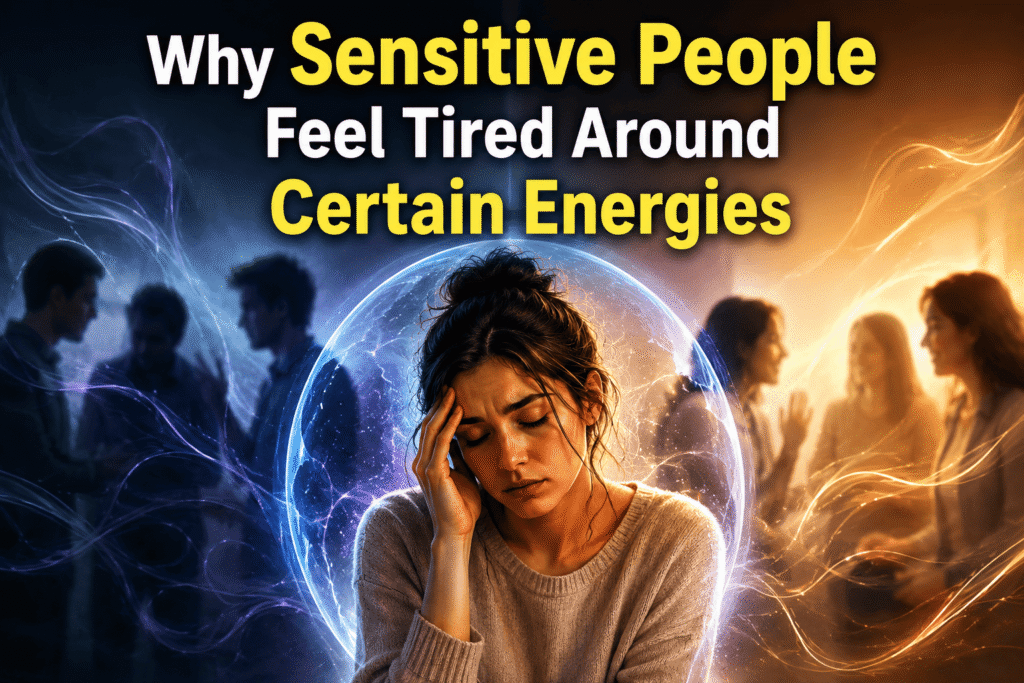
Understanding Energy Sensitivity in Modern Life
Have you ever walked into a room feeling perfectly fine, only to leave thirty minutes later completely exhausted? Have you spent time with someone who seemed pleasant on the surface, yet afterward you felt emotionally drained for the rest of the day? If this sounds familiar, you may be experiencing something commonly described as energy sensitivity. While many people use spiritual language to explain these experiences, psychology and neuroscience also provide valuable insights into why some individuals absorb emotional information more intensely than others.
Research on the highly sensitive person trait, known scientifically as Sensory Processing Sensitivity (SPS), suggests that certain people process emotional, social, and environmental information more deeply than the average person. Studies indicate that roughly 15–20% of the population possesses this trait, making it common enough to be significant yet distinct enough to create unique challenges. These individuals often notice subtle changes in tone, mood, facial expressions, and environmental cues that others overlook.
What Is a Highly Sensitive Person?
A highly sensitive person is not someone who is weak, overly emotional, or incapable of handling life. Instead, they possess a nervous system that processes information at a deeper level. Imagine two computers receiving the same amount of data. One quickly skims the information and moves on. The other analyzes every detail, pattern, and connection before responding. Sensitive individuals often function like the second computer.
Because they process more information, they may experience stronger emotional reactions, greater empathy, deeper intuition, and heightened awareness of their surroundings. This depth of processing can be a remarkable gift, but it also comes with a cost. When the nervous system constantly absorbs emotional and sensory input, mental fatigue can develop more quickly than it does for others. Researchers have found that highly sensitive individuals are more vulnerable to overstimulation, emotional loneliness, and psychological stress when exposed to chaotic environments.
The Difference Between Sensitivity and Weakness
One of the biggest misconceptions about sensitive people is that they lack resilience. In reality, sensitivity and weakness are completely different concepts. A highly sensitive person may cry during a moving film, feel deeply affected by conflict, or need recovery time after a busy social event. Yet these same individuals often demonstrate exceptional empathy, creativity, intuition, and emotional intelligence.
Think of sensitivity as having a high-definition emotional radar. While others receive standard signals, sensitive individuals pick up subtle frequencies that most people never notice. The challenge is not the sensitivity itself. The challenge lies in learning how to manage the constant flow of information. When this emotional radar operates without boundaries, exhaustion often follows.
Why Certain People Leave You Feeling Drained
Emotional Energy Absorption Explained
One of the most common questions sensitive individuals ask is, “Why do I feel drained around certain people?“ The answer often lies in a phenomenon known as emotional energy absorption. Sensitive people naturally pay attention to emotional cues. They notice sadness hidden behind a smile, frustration concealed in polite conversation, or anxiety masked by confidence.
Over time, this heightened awareness can create an unconscious habit of carrying emotions that do not belong to them. While not literally absorbing energy in a measurable physical sense, they may absorb emotional information so deeply that it feels as though another person’s mood has become their own.
This process can be especially exhausting when interacting with individuals who constantly complain, seek emotional support without reciprocation, create drama, or operate from chronic negativity. Sensitive people often become emotional sponges, soaking up the feelings around them until their own emotional reserves become depleted.
The Science Behind Emotional Contagion
Psychologists describe a similar process called emotional contagion. Humans naturally mirror the emotions of those around them. When someone smiles, we often smile back. When someone appears anxious, our own nervous system can begin responding to that anxiety.
For energy sensitive people, this effect may be amplified. Their brains are often highly attuned to social and emotional signals, making them more susceptible to mood transfer. As a result, spending extended periods around stressed, angry, or emotionally overwhelmed individuals can create genuine emotional fatigue. What feels like absorbing another person’s energy may actually be the nervous system continuously processing and responding to emotional information.
The Hidden Causes of Empath Exhaustion
Constant Emotional Processing
One major cause of empath exhaustion is the sheer amount of emotional data being processed throughout the day. Sensitive individuals rarely switch off their awareness. Even during casual conversations, they may analyze tone, body language, facial expressions, unspoken emotions, and underlying motivations.
Imagine carrying ten browser tabs open in your mind at all times. Each interaction adds another tab. Eventually, the system begins to slow down. Emotional fatigue develops not because the person is weak, but because the brain is performing continuous emotional analysis without sufficient recovery periods.
Compassion Fatigue and Emotional Burnout
Another significant factor is compassion fatigue. People who naturally care for others often become unofficial therapists within their families, workplaces, and friendships. They listen deeply, support generously, and frequently place other people’s needs ahead of their own.
Recent discussions around burnout highlight how chronic emotional caregiving contributes to exhaustion beyond traditional workplace stress. Emotional burnout can develop when someone consistently supports others without receiving adequate emotional replenishment themselves. Symptoms may include brain fog, irritability, numbness, loss of motivation, and persistent fatigue.
Why Crowded Spaces Can Feel Overwhelming
Nervous System Overload
Many sensitive individuals report feeling exhausted after visiting shopping malls, airports, concerts, or busy social gatherings. While others may leave energized, they often leave depleted. This difference largely comes down to nervous system regulation.
Sensitive nervous systems process more environmental information. Noise, movement, bright lights, conversations, and emotional dynamics all compete for attention. The brain works overtime attempting to interpret and organize this constant stream of input.
A useful analogy is comparing a quiet library to a busy stock exchange. The more stimulation present, the harder the nervous system must work. After prolonged exposure, mental and physical fatigue naturally emerge.
Sensory Processing and Emotional Overload Symptoms
Recent research continues to support the connection between high sensitivity and sensory overstimulation. Highly sensitive individuals often score higher on measures related to sensory discomfort and avoidance behaviors.
Common emotional overload symptoms include:
| Emotional Symptoms | Physical Symptoms |
|---|---|
| Irritability | Fatigue |
| Anxiety | Headaches |
| Emotional numbness | Muscle tension |
| Difficulty concentrating | Brain fog |
| Feeling overwhelmed | Sleep disturbances |
| Sudden mood changes | Digestive discomfort |
When these symptoms appear regularly, the issue may not be a lack of resilience. It may simply be an overloaded nervous system asking for recovery.
Signs You May Be Absorbing Other People’s Energy
Emotional Symptoms
People who are frequently absorbing other people’s energy often notice unusual emotional shifts. They may enter a situation feeling calm and suddenly become anxious, sad, or angry without understanding why. Their mood may fluctuate based on the emotional atmosphere around them.
Another common sign is difficulty distinguishing personal emotions from external influences. Sensitive individuals may spend hours trying to determine whether a feeling belongs to them or originated from someone else’s emotional state.
Physical Symptoms
Energy sensitivity often manifests physically as well. Common experiences include persistent tiredness after social interactions, difficulty sleeping after emotionally intense conversations, unexplained mental fog, and a strong desire for solitude following periods of emotional exposure.
Emerging research on stress and emotional processing highlights how chronic emotional activation can influence sleep quality, emotional regulation, and overall well-being. Poor sleep further intensifies emotional reactivity, creating a cycle of exhaustion that becomes difficult to break.
The Spiritual Perspective on Energy Drain
Spiritual Sensitivity and Intuition
From a spiritual perspective, many traditions believe certain individuals possess heightened awareness of emotional and energetic environments. This concept is often described as spiritual sensitivity. Such individuals may intuitively sense tension before conflict occurs, feel emotionally affected by specific locations, or experience strong reactions to particular people.
Whether viewed through psychology, spirituality, or a combination of both, the experience itself is very real for many people. The language used to describe it may differ, but the underlying reality remains the same: some individuals process emotional environments more deeply than others.
Energy Awareness Across Different Traditions
Across cultures, traditions have long recognized individuals who appear more attuned to emotional and environmental influences. Ancient healing systems often emphasized balance, grounding, and energetic protection practices to maintain emotional well-being.
Modern wellness approaches increasingly echo similar principles. Mindfulness, nervous system regulation, emotional boundaries, and intentional recovery periods all serve the same purpose: preventing emotional overload while preserving emotional awareness.
How Sensitive People Can Protect Their Energy
Setting Emotional Boundaries
One of the most effective forms of self-protection is learning to establish boundaries. Many sensitive individuals believe helping others requires unlimited emotional availability. In reality, healthy support requires healthy limits.
Boundaries allow compassionate people to care without carrying responsibility for everyone else’s emotions. They create space between empathy and emotional absorption. This distinction is essential for preventing burnout.
Grounding and Nervous System Regulation
Grounding techniques help return attention to the present moment and reduce emotional overstimulation. Effective practices include:
- Walking in nature
- Deep breathing exercises
- Meditation
- Gentle movement practices
- Journaling
- Reducing digital stimulation
- Spending intentional time alone
These activities help the nervous system process accumulated emotional input before it becomes overwhelming.
Empath Energy Protection Techniques
Popular empath energy protection techniques include:
- Visualizing emotional boundaries before entering stressful environments.
- Taking short solitude breaks after intense social interactions.
- Limiting exposure to chronically negative influences.
- Practicing emotional self-awareness throughout the day.
- Creating calming home environments that support nervous system recovery.
The goal is not to become less sensitive. The goal is to become more skilled at managing sensitivity.
Turning Sensitivity Into a Strength
Many people spend years viewing their sensitivity as a flaw. They wonder, “Why do sensitive people feel exhausted?” or “Why do I feel drained around certain people?” The answer is often not weakness, fragility, or dysfunction. It is depth.
A highly sensitive nervous system processes life in high definition. It notices beauty, meaning, emotion, creativity, and human connection with remarkable clarity. The same trait that creates emotional fatigue also supports intuition, empathy, insight, and compassion.
Recent research increasingly recognizes sensitivity as a legitimate personality trait rather than a limitation. Studies continue to demonstrate that sensitive individuals respond strongly to both negative and positive environments. When supported by healthy relationships, boundaries, and self-care practices, sensitivity can become one of a person’s greatest strengths rather than their greatest burden.
Conclusion
Sensitive people often feel tired around certain energies because their nervous systems process emotional, social, and environmental information more deeply than others. Whether described as emotional energy absorption, empath exhaustion, spiritual sensitivity, or sensory overstimulation, the experience reflects a heightened awareness of the world around them.
Understanding the connection between sensitivity and fatigue can be transformative. Instead of judging themselves for feeling overwhelmed, sensitive individuals can learn to honor their unique wiring. Through emotional boundaries, nervous system regulation, grounding practices, and intentional recovery, they can protect their energy without shutting down their empathy.
FAQs
1. Why do sensitive people feel exhausted around certain people?
Sensitive individuals often process emotional information more deeply. Being around highly stressed, negative, or emotionally demanding people can create emotional overload and mental fatigue.
2. Is empath exhaustion a real condition?
While “empath exhaustion” is not a formal medical diagnosis, it describes a very real experience of emotional fatigue caused by prolonged empathy, caregiving, and emotional processing.
3. What are common emotional overload symptoms?
Common symptoms include anxiety, irritability, brain fog, difficulty concentrating, emotional numbness, fatigue, sleep problems, and feeling overwhelmed after social interactions.
4. How can highly sensitive people protect their energy?
Effective strategies include setting boundaries, practicing grounding techniques, limiting exposure to negative environments, prioritizing rest, and developing strong self-awareness.
5. Is being a highly sensitive person the same as being an empath?
Not exactly. A highly sensitive person processes sensory and emotional information deeply, while an empath is often described as someone who strongly absorbs or resonates with others’ emotions. The two traits frequently overlap but are not identical.